Skip to content
Home » Sophie Hoetzel

Sophie Hoetzel

I am currently a MSc Science Communication and Public Engagement student at the University of Edinburgh and have a background in Food and Nutrition. I love learning about anything science-related and am trying to get more into digital drawings and graphics. In my free time I dance, draw with watercolours and want to be around nature.

Pacing fast and slow: how to structure a scicomm article

Why do some articles feel effortless to read while others lose us halfway through? The answer is often pacing. This article explores how science communicators can use structure, tension, sentence rhythm, and paragraphing to guide readers through complex ideas without overwhelming them. Learn practical techniques to keep your audience engaged from the first sentence to the last.

Is obesity a choice?

For over a century, obesity research has evolved from a simple story of personal weakness in resisting pleasurable foods to a complex, multifaceted disease. Yet this shift has not reached many of our families, friends, or policymakers, who still believe it remains a simple act within individual control. This summary outlines the research that transformed our understanding and changed my own perspective.

What science is and isn’t – the perspective of a researcher

Science is one of the most misunderstood human endeavors. In this article, Maha explores the myths surrounding research to reveal what it truly looks like: messy, uncertain, collaborative, and quietly powerful. Through her personal experience and real-world examples, she shows us why the greatest strength isn’t having all the answers—but never stopping the search for better questions.

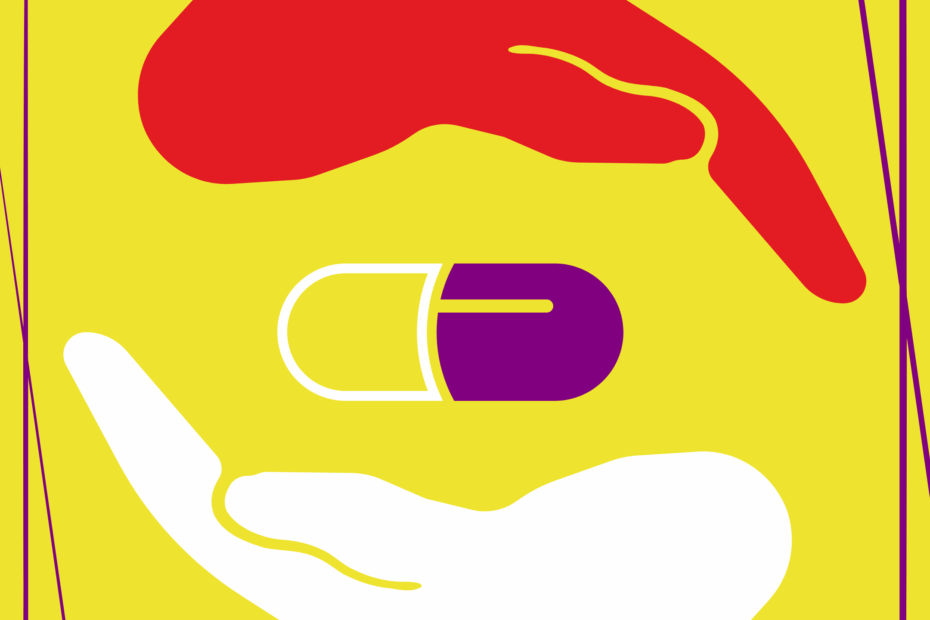
Hands cradling a pill.

Can we outsmart superbugs? The latest breakthroughs in the field of antimicrobial resistance

Antimicrobial resistance (AMR) is a critical global health threat, but 2024 saw vital progress in fighting superbugs. This article explores the most recent breakthroughs in this field, including new antibiotics, advances in alternative solutions such as vaccines and phage therapy, and research aimed at preserving our ability to treat infections.