Skip to content

science communication
workshops

Have you ever wondered how to communicate science in a way that truly engages people? Many scientists struggle with identifying their key message, targeting the right audience and getting their message across.

The good news is that you can learn science communication!

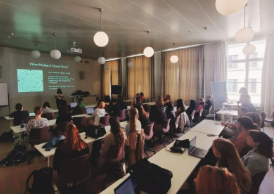
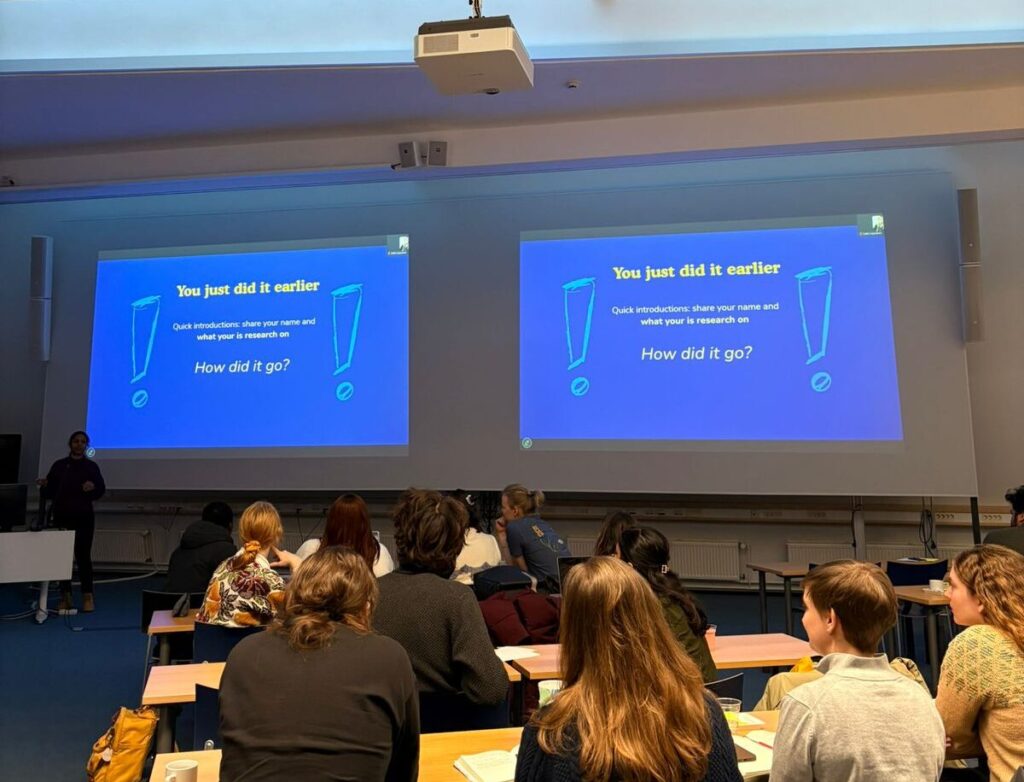
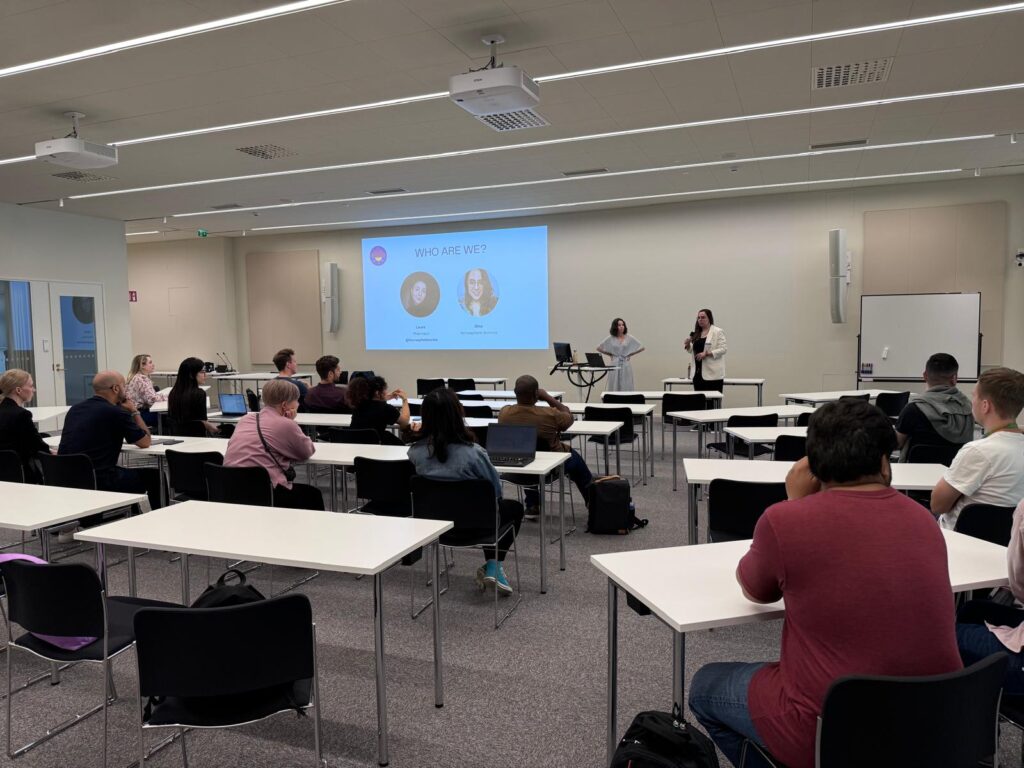
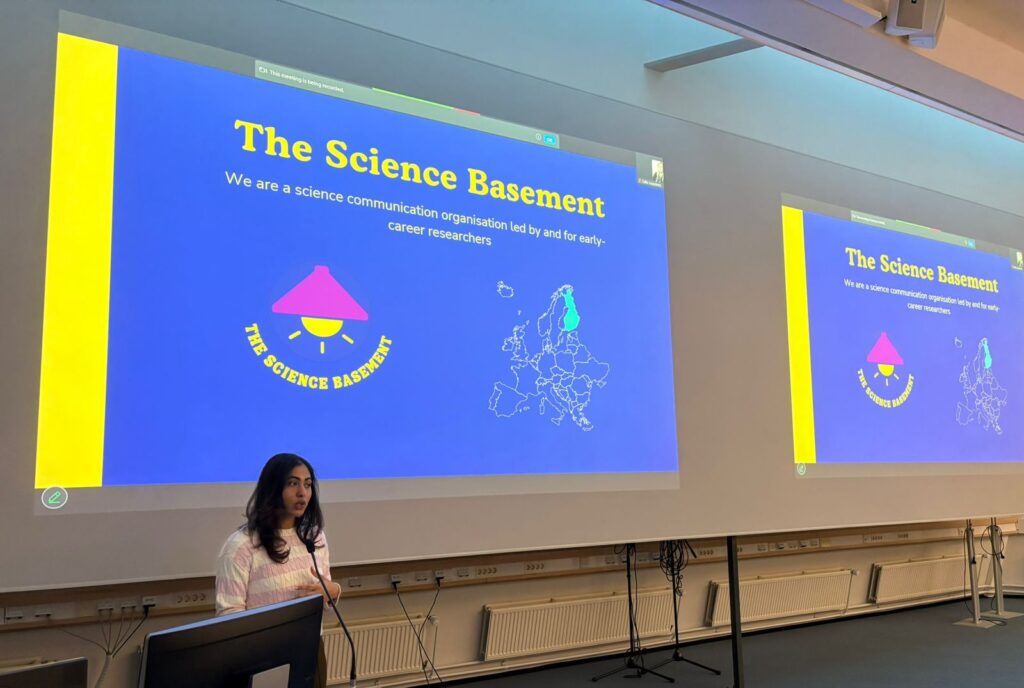
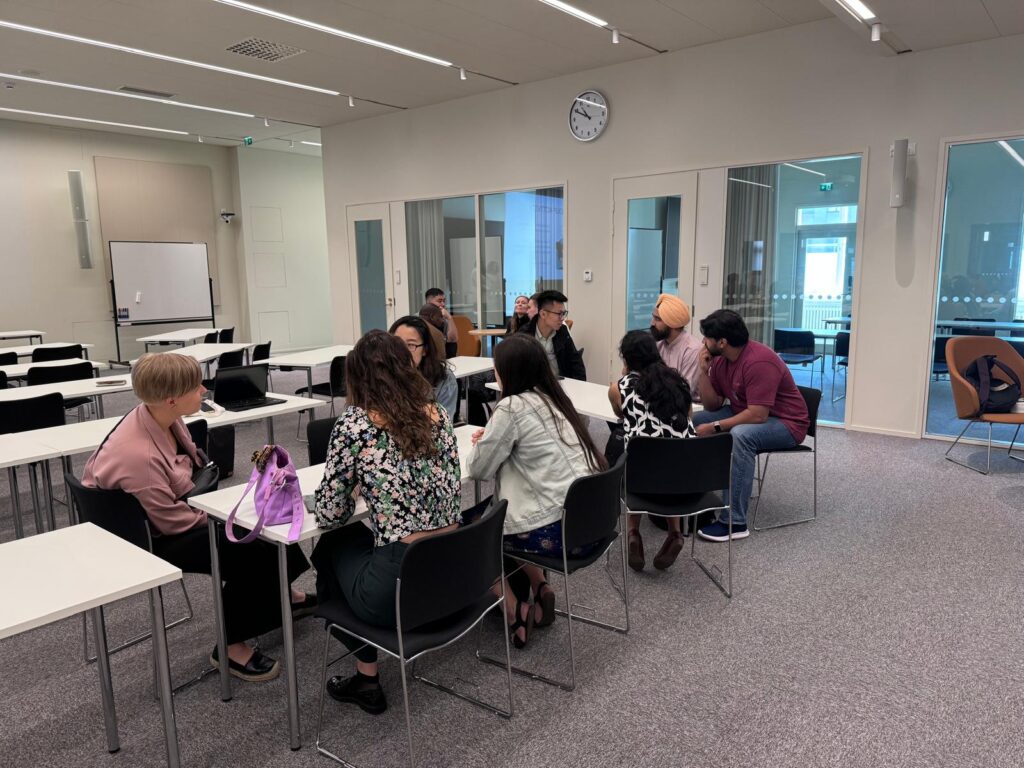
In our interactive workshops, experienced TSB hosts share tips and tools through hands-on activities and discussions on identify your audience, shape your message, and present your research in a clear, compelling, and creative way.

We offer a variety of workshops that fit your needs.

WORKSHOPS OFFERED

SciComm 101

Ideal for audiences new to science and research communication

This is an introductory workshop to science communication addressing the following:

  • What is Science and Research Communication?
  • Who is your audience?
  • Engaging your audience
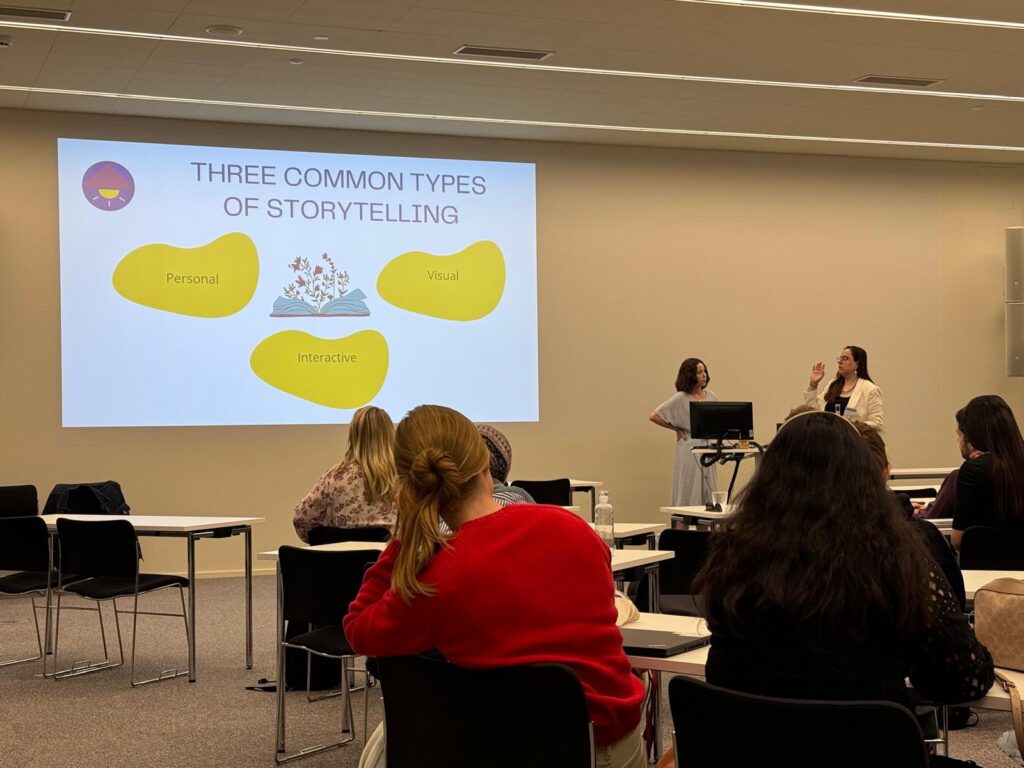
  • Storytelling in science communication
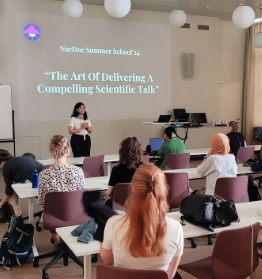
Ideal for audiences looking to improve their presenting skills. This can be useful for scientific presentations or talks for a general audience.

The content of this workshop includes:

  • What is Science and Research Communication?
  • Who is your audience and how to engage them?
  • How to tell a story throughout your talk
  • Public speaking do’s and don’ts


Ideal for audiences looking to improve their writing skills.

This workshop details how to write your story using the following:

    • Why do we do science writing?
    • Storytelling techniques
    • How to structure your story
    • Character and detail
    • Removing jargon
    • Review and revise your text
    • Getting feedback


Ideal for audiences looking to communicate science through social media  with a focus on Instagram, X, Tiktok and LinkedIn

In this workshop, we discuss:

    • Introduction to SciComm - Why social media?
    • Social media basics:
      • -Audience and language
      • -Engagement content
      • -Visuals and multimedia
    • Using specific social media platforms
    • Building and engaging your audience


How to prepare for a (podcast) interview
  • The interview: Where, when and why?
  • How to prepare
  • Maintaining a balanced and engaging dialogue
  • How to prepare your voice
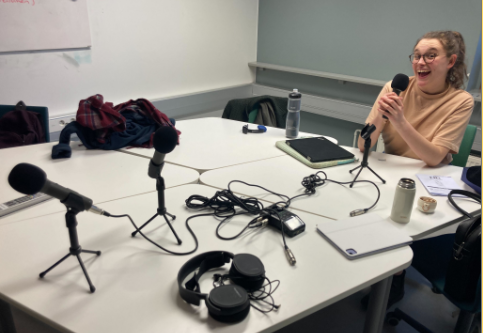
From recording to release: A crash course on podcasting
  • Overview of the podcasting process 
  • How to create a good podcast episode
  • How to prepare the guest
  • On the day - how to keep it natural
  • Editing the episode and release

Our standard workshops are two-hours long, but this is adaptable based on the requirements. We always tailor the material with our audience in mind and can also develop new materials, adapted to your needs and interests. We can create a workshop series which includes a selection of the workshops.

Past workshops

We have delivered talks and workshops in-person and online for various stakeholders, both as one-off events or as part of a larger programme/ ongoing collaboration.

  • HiLIFE Trainees, University of Helsinki (2023-2026)
  • Una Europa (2024, 2025)
  • NorDoc PhD Student Congress (2024)
  • Sustainability Science Days (2023)
  • University of Helsinki Doctoral school seminar pitching competition finalists (2023)
  • Institute of Molecular Medicine, Finland (2023)
  • Women in Research, Universität Münster (2023)
  • Various lab group seminars

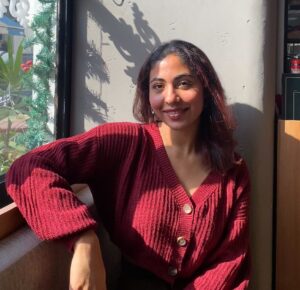
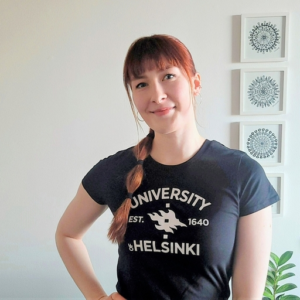
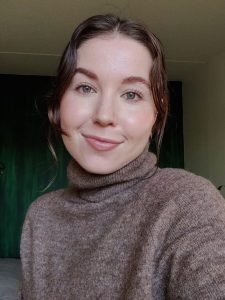
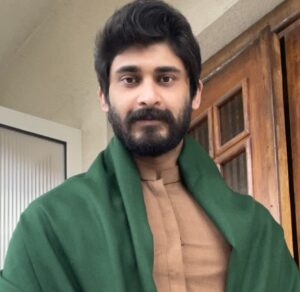
TEAM

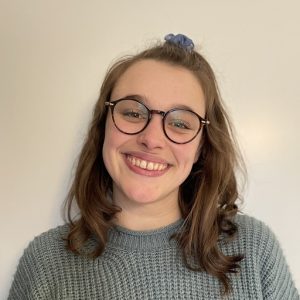
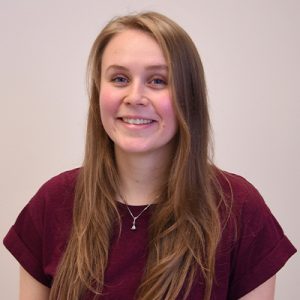
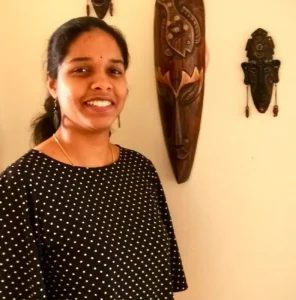
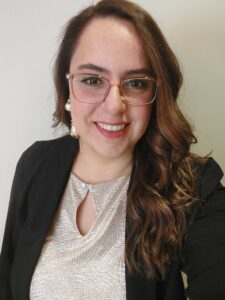
WORKSHOP HOSTS

SciComm 101

Rhiannon Newman

Chairperson

SciComm 101

Katja Kaurinkoski

Podcast workshops

Rhiannon Newman

Krista Tuohinto, Afternoon Talks
Public Speaking

Krista Tuohinto

TEAM MEMBERS

Workshop fees

Our standard workshop time is 2 hours and we charge 200€ per hour of workshop

Our workshops help fund our non-profit organisation – All costs go back into the organisation. However, we believe in giving everyone the opportunity to learn about science communication. So if this cost is not feasible for you, please get in touch and we can try to arrange an alternative.

If you have any queries or would like a curated workshop or workshop series, please get in touch at contact@thesciencebasement.org

Follow us

Follow us on social and never miss a post from The Science Basement.