
What’s the buzz around gene therapy?
Mansi Vyas is a Master’s student at the University of Helsinki, where she will begin her studies in Translational Medicine in the fall of 2026. She is passionate about research in biomedical and translational science as well as learning other skills that complement her field such as science communication. Outside of the lab, she loves reading, singing, cooking and spending time with her friends, family, and loved ones.
this article is part of the Eureka moments and turning points theme.
edited by heini and Saara.
reviewed by Madeleine Lackman.
illustrated by kenia, sophie, vicky and lasya.
Should you have any comments, please let us know!
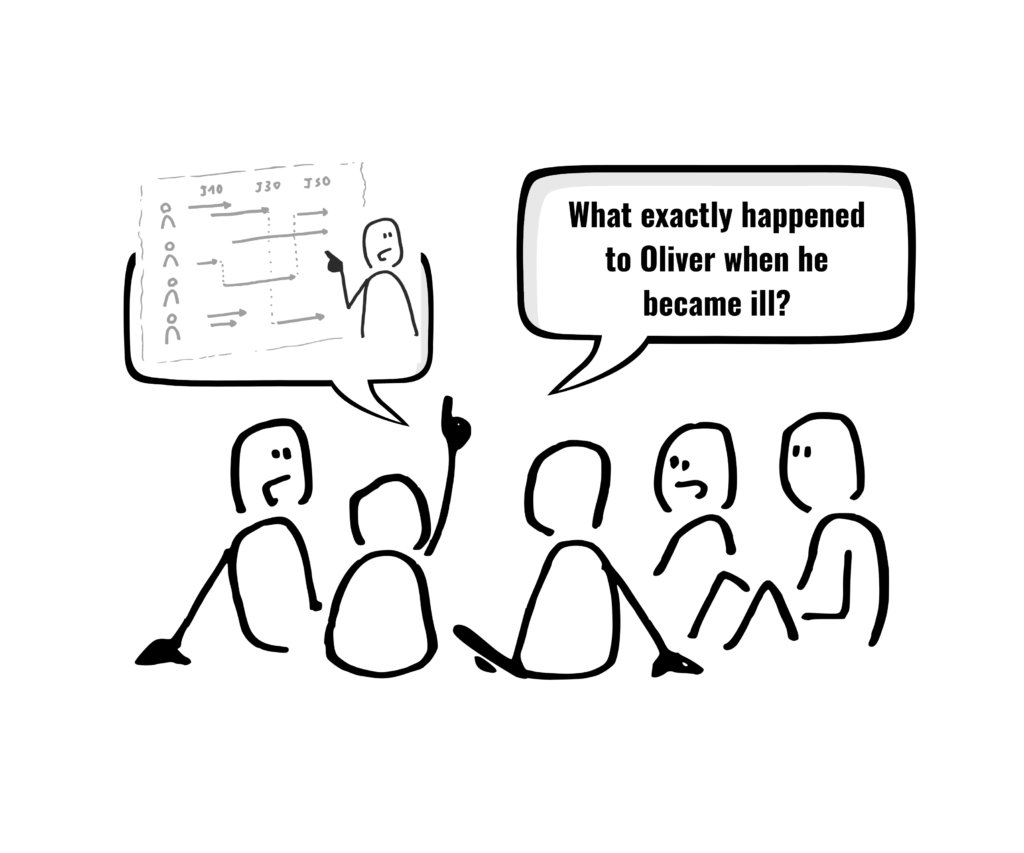
Lately, I have come across many articles online about gene therapy, which sure help me understand the buzz. It is difficult, however, to picture someone close to me battling a life-altering disease and relying on such therapy for hope. This was the reality for little Oliver Chu’s parents in California. Oliver’s parents – like all parents around the world – were thrilled when he was born. Their family was overcome with an abundance of happiness. Little did they know that soon Oliver’s life would become nothing short of a struggle. I think the best way to discuss gene therapy and what it’s all about is by taking a deep dive into Oliver Chu’s case. At three years of age, Oliver was diagnosed with a devastating disease known as Mucopolysaccharidosis Type II, also known as Hunter syndrome.
When someone is suffering from Hunter syndrome, their body’s ability to process sugar is affected. An enzyme in the body, called Iduronate 2-sulfatase (IDS), is responsible for the breakdown of large sugar chains called glycosaminoglycans (GAGs). GAGs are critical in providing structure, lubrication, and hydration to tissues in our body. You may have heard repeatedly about hyaluronic acid from the skincare and cosmetics industry. That is in fact the same GAG naturally produced by the body to keep the skin hydrated. When a person has Hunter syndrome, the IDS enzyme shows significantly decreased activity. This reduced activity results in accumulation of two GAGs, known as heparan sulphate and dermatan sulphate, inside and outside of cells in multiple organs of the body.
The accumulation of these two complex sugar chains causes catastrophic events that cause changes in appearance, mental development, and motor skills. Hunter syndrome patients are usually known to have thicker and more rigid skin. This is accompanied by ear infections, hearing loss or even vision loss for many of the patients. The heart is also at a high risk of being affected, as, for example, the heart’s valves may thicken and deform over time. Another example is a condition called ventricular hypertrophy, in which the ventricles of the heart become enlarged and thickened which, if left untreated, may lead to heart failure.
Hunter syndrome is a so-called X-linked recessive disorder, meaning it is caused by a mutation in the X chromosome and thus mainly affects men. This is due to the fact that male individuals typically only have one X chromosome, whereby inheriting one disease-causing gene variant is enough to cause the disease. Women usually have a second, unaffected X chromosome that compensates for the X chromosome carrying the mutation, so they are often unaffected carriers of the mutation.
So far, many types of hormone replacement therapy have been used to alleviate the symptoms of Hunter syndrome. An example of this is decreased airway obstruction and frequency of respiratory infections. However, there is a significant number of risks to keep in mind when considering hormone replacement treatments. One major factor is the possibility of anaphylaxis, a life-threatening allergic reaction. Additionally, around 50-68% of the patients develop antibodies against the medication. In other words, their body confuses the medication for a threat, and starts producing molecules against it, which can in turn increase the risk of hypersensitivity to the medication. Moreover, these treatments do not support slowing down the mental decline associated with the disease.
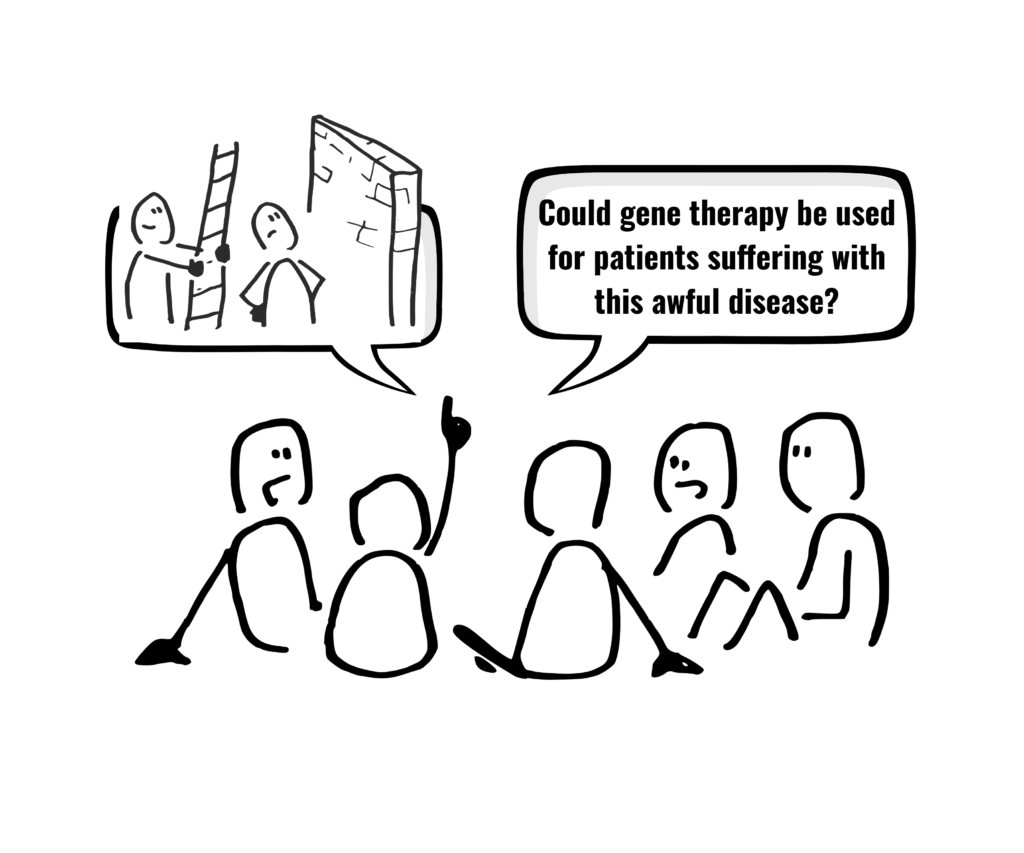
Remember the unfortunate little Oliver Chu? Well, it turns out he is more fortunate than he and his parents must have imagined. He recently became the first patient ever to be treated for Hunter syndrome using gene therapy. He is part of a clinical trial at Royal Manchester Children’s Hospital, which is being executed in collaboration with the Manchester Centre for Genomic Medicine at Saint Mary’s Hospital. This treatment has worked very well for Oliver, and according to the reports, he has quickly picked up speech and coordination.
Now, you may be asking yourself what gene therapy is. How does it work exactly?
As we know, proteins are crucial for the function of every cell and are the structural backbone of all tissues. The instructions for making proteins are carried in a person’s genes: molecular codes located in the DNA. Sometimes, the genes might have deviations in their code, so-called mutations, which may cause changes in normal protein function. Despite common belief, not all mutations are harmful. Some do not change cellular function, and others might even bring new, favourable qualities to the cells. Then, there are mutations that can prove to be harmful or even fatal, such as in the case of Hunter syndrome.
Gene therapy works by fixing or compensating for these disease-causing mutations to recover the role of the important proteins and allow the body to function normally. More specifically, gene transfer therapy introduces a normal copy of a certain gene to recover the function of its protein.
There are various methods, applications and techniques for gene therapies. Oliver, for example, was treated with ex vivo gene therapy. In ex vivo gene therapy, blood stem cells are first collected from the patient. Then, a functional version of the gene aimed to be modified is delivered to the patient’s stem cells using harmless, modified viruses. This is because viruses are notoriously great at inserting their genetic material into humans. The modified cells are then used as a delivery tool to deliver the working gene to the patient. The corrected cells now contain instructions for making the enzyme that was once missing.
In Oliver’s case, the gene therapy was used to treat the neurological decline caused by his disease. Usually, delivering hormone replacement medication or therapies to the brain is extremely challenging due to the so-called blood-brain barrier. This barrier is a highly selective “gate” created by blood vessels that protects the brain. Thus, the inserted gene was modified so the resulting enzyme could cross the blood-brain barrier more efficiently. This was a major breakthrough in the field.
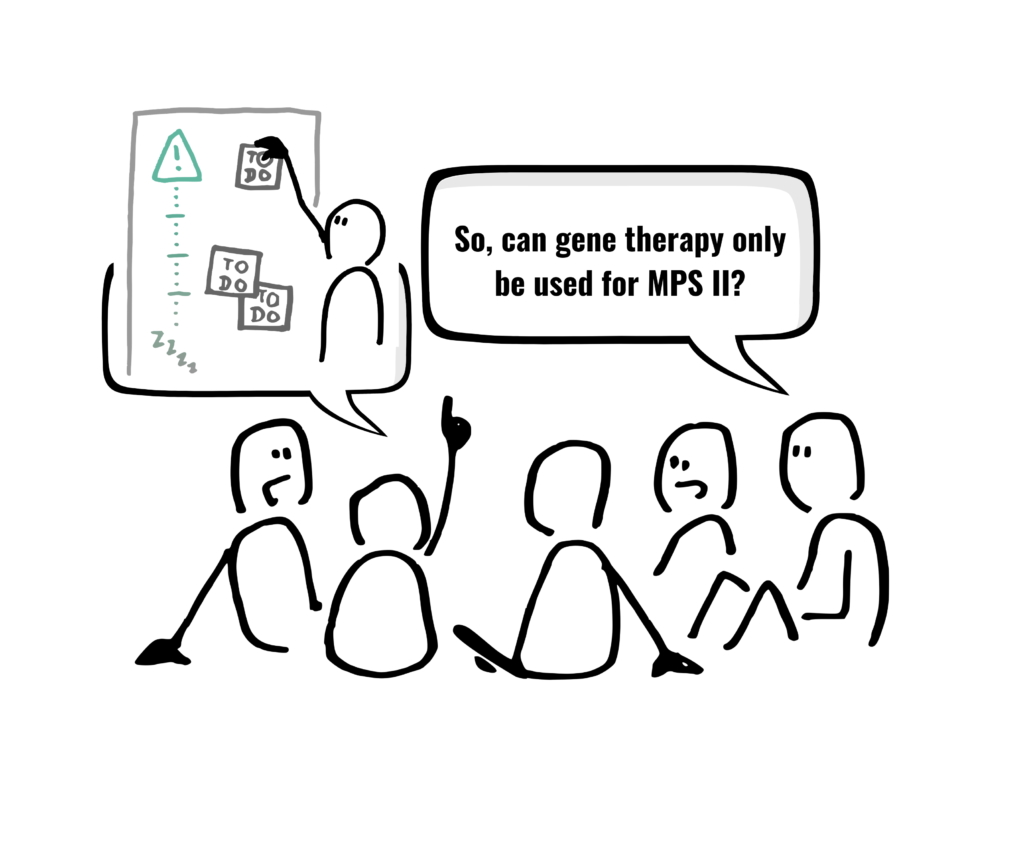
This is a great question. Over the course of the past several decades, gene therapy has extended life expectancy for some blood and immune disorders, sickle cell disease, haemophilia and metabolic liver diseases have also been successfully targeted. Another key area in which gene therapy is being heavily studied is cancer.
However, it is crucial to keep in mind that this treatment method shows promise as a cure mainly for single-gene mutational diseases. Gene therapy becomes very complicated when more than one gene mutation is involved. Gene therapies also carry the risk of adverse effects, such as anaphylaxis. Mistakes may also occur in the process of inserting genes that are often irreversible. An example of this is that viral vectors may randomly integrate into host chromosomes which can turn on cancer causing genes. Therefore, it is important to use words like “cure” carefully in science. It is very rare that one treatment works for all patients, as every individual is unique. Also, not everyone is eligible to receive gene therapy. This can depend heavily on the patient’s age, family genetic history, severity of symptoms, and how much they interfere with the performance of daily tasks, extent of developmental decline, and so forth. While uniqueness is a blessing in one’s journey of life, in medical science and care, it may introduce challenges in developing treatments and evaluating suitable treatment options.
Nevertheless, it is adversities such as these that have ultimately led to advancements in biomedical science and technology. The deep consideration that every individual’s genetic makeup is varied has led to the emergence and development of precision medicine. Such challenges test the scientists’ creativity and analytical skills. For scientists, this may at times feel overwhelming but can ultimately lead to incredible breakthroughs.
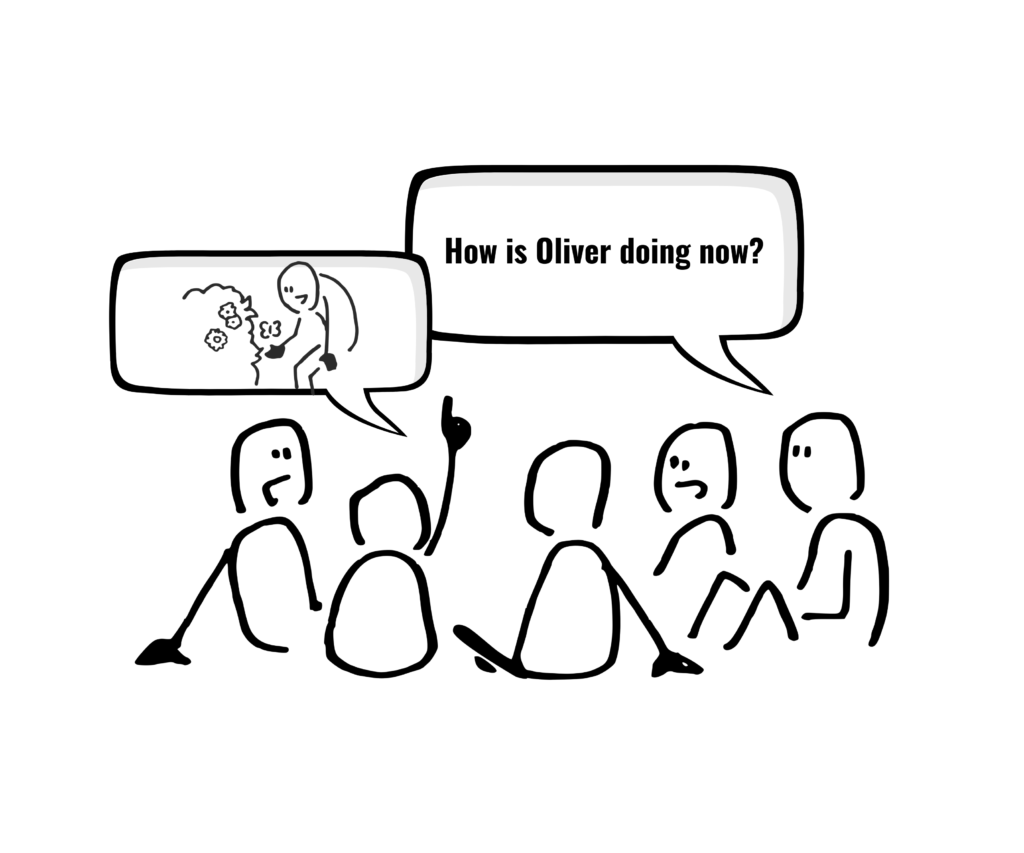
Oliver is living a more normal and peaceful life than ever before. His parents have described his life after treatment as a “reset”. He will now have the opportunity to learn, grow, and enjoy his life just like any other child and to have the childhood experiences that he deserves. He, and a few other children on whom gene therapy was tried, will be monitored for the time being.
REFERENCES
Abraham, A. A., & Tisdale, J. F. (2021). Gene therapy for sickle cell disease: Moving from the bench to the bedside. Blood, 138(11), 932–941. https://doi.org/10.1182/blood.2019003776
Ay, C., & Reinisch, A. (2024). Gene therapy: Principles, challenges and use in clinical practice. Wiener Klinische Wochenschrift. https://doi.org/10.1007/s00508-024-02368-8
Casale, J., & Crane, J. S. (2019). Biochemistry, glycosaminoglycans. In Nih.gov. StatPearls Publishing. https://www.ncbi.nlm.nih.gov/books/NBK544295/
Ay, C., & Reinisch, A. (2024). Gene therapy: Principles, challenges and use in clinical practice. Wiener Klinische Wochenschrift. https://doi.org/10.1007/s00508-024-02368-8
Casale, J., & Crane, J. S. (2019). Biochemistry, glycosaminoglycans. In Nih.gov. StatPearls Publishing. https://www.ncbi.nlm.nih.gov/books/NBK544295/
Clare, B. (2025, December). First-in-human gene therapy offers hope for hunter syndrome: Oliver’s remarkable turnaround – patient worthy. Patientworthy.Com. https://patientworthy.com/2025/12/10/first-in-human-gene-therapy-offers-hope-for-hunter-syndrome-olivers-remarkable-turnaround/
Concolino, D., Deodato, F., & Parini, R. (2018). Enzyme replacement therapy: Efficacy and limitations. Italian Journal of Pediatrics, 44(S2). https://doi.org/10.1186/s13052-018-0562-1
Dabrowski, R. (2026, January 27). Amazing advances: A world-first in gene therapy. Biomedical Scientist. https://thebiomedicalscientist.net/2026/01/23/amazing-advances-world-first-gene-therapy
Hashmi, M. S., & Gupta, V. (2023). Mucopolysaccharidosis type II. In PubMed. StatPearls Publishing. https://www.ncbi.nlm.nih.gov/books/NBK560829/
Mayo Clinic. (2024). Left ventricular hypertrophy – symptoms and causes. In Mayo Clinic. https://www.mayoclinic.org/diseases-conditions/left-ventricular-hypertrophy/symptoms-causes/syc-20374314
Mayo Clinic. (2025). Anaphylaxis. In Mayo Clinic. https://www.mayoclinic.org/diseases-conditions/anaphylaxis/symptoms-causes/syc-20351468
Nazar Hembara. (2025). Advancing medicine: The future of gene therapy in clinical trials. In Allclinicaltrials.com. AllClinicalTrials. https://www.allclinicaltrials.com/blog/the-future-of-gene-therapy-in-clinical-trials
U.S. National Library of Medicine. (2020). How does gene therapy work? In MedlinePlus. National Library of Medicine. https://medlineplus.gov/genetics/understanding/therapy/procedures/
Verma, S., Pantoom, S., Petters, J., Pandey, A. K., Hermann, A., & Lukas, J. (2021). A molecular genetics view on mucopolysaccharidosis type II. Mutation Research/Reviews in Mutation Research, 788, 108392. https://doi.org/10.1016/j.mrrev.2021.108392
Walsh, F. (2025, November 24). Hunter syndrome: Boy with rare condition amazes doctors after world-first gene therapy. BBC. https://www.bbc.com/news/articles/c5y0y56x6veo
(2026). Clinicaltrials.Gov. https://clinicaltrials.gov/study/NCT05665166