Skip to content
Home » Mimmu Hiltunen

Mimmu Hiltunen

I’m a PhD student at the department of Molecular and Integrative Biosciences at the University of Helsinki. My research focuses on the structural and functional characterisation of a membrane protein linked to autism. Apart from science, I’m interested in coming up with creative ways of communicating science and advocating for neurodiversity. In my spare time, you can also find me reading, dancing, and spending time with my bunnies.

Is obesity a choice?

For over a century, obesity research has evolved from a simple story of personal weakness in resisting pleasurable foods to a complex, multifaceted disease. Yet this shift has not reached many of our families, friends, or policymakers, who still believe it remains a simple act within individual control. This summary outlines the research that transformed our understanding and changed my own perspective.

Hands cradling a pill.

Can we outsmart superbugs? The latest breakthroughs in the field of antimicrobial resistance

Antimicrobial resistance (AMR) is a critical global health threat, but 2024 saw vital progress in fighting superbugs. This article explores the most recent breakthroughs in this field, including new antibiotics, advances in alternative solutions such as vaccines and phage therapy, and research aimed at preserving our ability to treat infections.

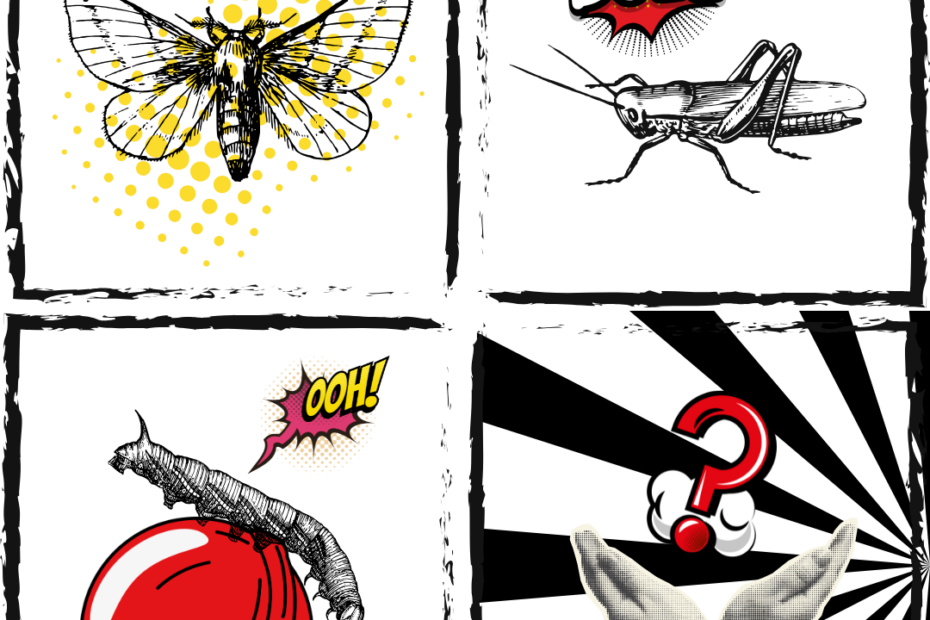
Insects for dinner? A promising alternative for animal feed

Insects are revolutionizing the future of animal feed, offering a sustainable, nutrient-packed alternative that slashes resource use and eases environmental strain. Unlike traditional feed sources, insects like black soldier flies, mealworms, and crickets require minimal land, emit fewer greenhouse gases, and reduce the need for antibiotics – all while providing high quality nutrition for livestock. Thanks to cutting-edge farming techniques and bioengineering, production is scaling up fast. Of course, hurdles remain, from regulatory roadblocks to cost challenges and ethical debates. But with governments, researchers, and industry leaders joining forces, insects could play a crucial role in feeding our growing world – efficiently and sustainably.