Curiosities of the afterlife – What to do after a PhD?
Most of us entered our PhDs full of aspirations and an academic career in mind. But along the way, our plans seem to have changed.
Hey! I am a doctoral researcher at the Department of Environmental Sciences. My research focuses on how digital tools, such as urban digital twins, can be used for the planning, monitoring and evaluation of climate adaptation measures at a local level. I am interested in science communication to a wider audience and in my free time, I enjoy hiking, visiting a museum, meeting with friends, and reading.
Most of us entered our PhDs full of aspirations and an academic career in mind. But along the way, our plans seem to have changed.
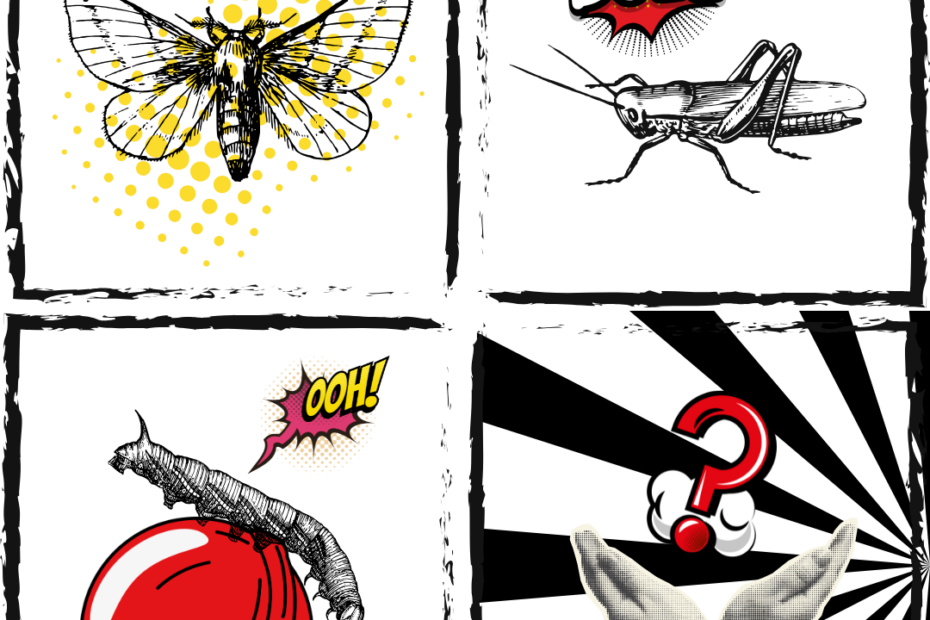
Insects are revolutionizing the future of animal feed, offering a sustainable, nutrient-packed alternative that slashes resource use and eases environmental strain. Unlike traditional feed sources, insects like black soldier flies, mealworms, and crickets require minimal land, emit fewer greenhouse gases, and reduce the need for antibiotics – all while providing high quality nutrition for livestock. Thanks to cutting-edge farming techniques and bioengineering, production is scaling up fast. Of course, hurdles remain, from regulatory roadblocks to cost challenges and ethical debates. But with governments, researchers, and industry leaders joining forces, insects could play a crucial role in feeding our growing world – efficiently and sustainably.