Skip to content
Home » Kenia Fita Capdevila

Kenia Fita Capdevila

Background in Sustainable Food Systems, currently finishing a MSc in Human Nutrition and Food-Related Behavior. Particularly interested in food literacy, nutritional value chains, and how they can be both linked to a sustainable food system. Avid reader of broad-range science and fiction/non-fiction presenting new perspectives. Creative cook, board game player, and proud Servas traveler.

What science is and isn’t – the perspective of a researcher

Science is one of the most misunderstood human endeavors. In this article, Maha explores the myths surrounding research to reveal what it truly looks like: messy, uncertain, collaborative, and quietly powerful. Through her personal experience and real-world examples, she shows us why the greatest strength isn’t having all the answers—but never stopping the search for better questions.

Hands cradling a pill.

Can we outsmart superbugs? The latest breakthroughs in the field of antimicrobial resistance

Antimicrobial resistance (AMR) is a critical global health threat, but 2024 saw vital progress in fighting superbugs. This article explores the most recent breakthroughs in this field, including new antibiotics, advances in alternative solutions such as vaccines and phage therapy, and research aimed at preserving our ability to treat infections.

Insects for dinner? A promising alternative for animal feed

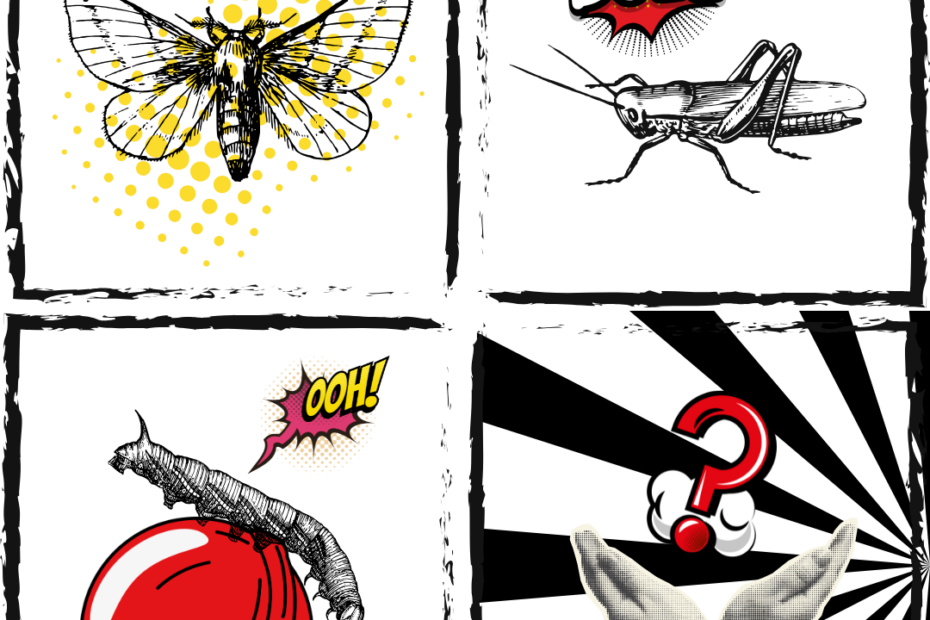
Insects are revolutionizing the future of animal feed, offering a sustainable, nutrient-packed alternative that slashes resource use and eases environmental strain. Unlike traditional feed sources, insects like black soldier flies, mealworms, and crickets require minimal land, emit fewer greenhouse gases, and reduce the need for antibiotics – all while providing high quality nutrition for livestock. Thanks to cutting-edge farming techniques and bioengineering, production is scaling up fast. Of course, hurdles remain, from regulatory roadblocks to cost challenges and ethical debates. But with governments, researchers, and industry leaders joining forces, insects could play a crucial role in feeding our growing world – efficiently and sustainably.